Back to School Kawaii Cute Bags: Creative Design Assets for Modern Classrooms and Craft Projects
The start of a new school year brings with it a wave of preparation, from stocking up on notebooks to selecting the perfect backpack. Among the most delightful trends in recent years is the rise of Back to School Kawaii Cute Bags design themes, which blend Japanese-inspired cuteness with practical everyday accessories. Whether you are a teacher looking to personalize classroom supplies, a parent helping a child express their style, or a small business owner creating custom products, these digital design files offer a versatile foundation. The collection includes six digital files across multiple formats, all built on a 1920px by 1280px canvas, making them suitable for both digital and physical applications. Understanding what these assets provide and how to use them effectively can open up a range of possibilities for creative projects this school season.
Understanding the Kawaii Aesthetic in School Contexts
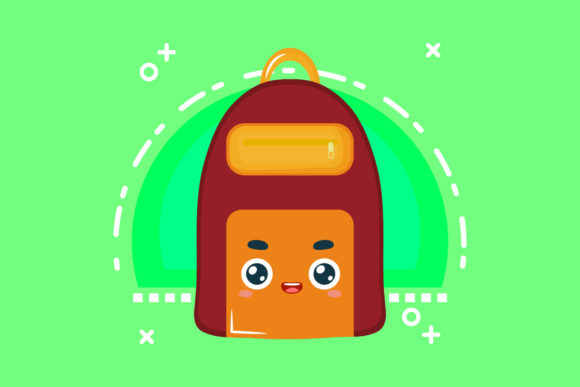
Kawaii, a Japanese term meaning "cute" or "adorable," has grown into a global design language characterized by soft colors, rounded shapes, playful characters, and cheerful motifs. When applied to Back to School Kawaii Cute Bags, this aesthetic transforms ordinary school gear into something that sparks joy and creativity. The appeal is not limited to young children; teens, college students, and even adults who appreciate whimsical design have embraced kawaii elements in their daily carry items. Common motifs include smiling faces on bags, pastel color palettes, animal characters, stationery items with tiny eyes and expressions, and patterns that feel both energetic and comforting. In a classroom environment, such designs can help ease the transition back to school by adding a layer of personal expression and warmth to otherwise standardized supplies.
Beyond mere decoration, kawaii designs can serve functional purposes. A bag with a cheerful character might help a younger child feel more confident on their first day. For educators, incorporating these designs into classroom materials can create a more inviting learning atmosphere. The digital files in this collection are created with this balance of aesthetics and utility in mind, offering scalable vector and raster options that preserve the charm of the design while allowing for practical modifications.
What the Digital File Package Delivers
This particular set of design assets contains six files, each serving a distinct purpose in the creative workflow. All files share a canvas size of 1920 pixels by 1280 pixels, which is a landscape-oriented aspect ratio that works well for bag designs, stickers, flyers, digital presentations, and social media graphics. The formats included are an AI file for Adobe Illustrator users, an EPS file for wide compatibility across vector editing software, an SVG file for web and cutting machine projects, a DXF file for CNC and laser cutting workflows, a JPG file for quick previews and printing, and a PNG file with transparent background options for layering. This range ensures that whether you are a seasoned graphic designer or a hobbyist working with a home cutting machine, you have the right format ready to go.
Vector Formats for Scalability and Precision
The AI, EPS, and SVG files are all vector-based, meaning they can be scaled up or down without losing any resolution. This is critically important when applying designs to Back to School Kawaii Cute Bags of different sizes. A small pencil pouch and a large duffle bag require the same crisp edges and clean lines, and vector files deliver that consistency. The AI file is ideal for users who work in Adobe Illustrator and want to edit individual elements, adjust colors, or combine the design with other assets. The EPS file provides a more universal vector option that can be opened in programs like CorelDRAW, Affinity Designer, or even older versions of Illustrator. The SVG format is especially valuable for web designers and for use with cutting machines like Cricut and Silhouette, where the ability to handle paths and layers directly is essential.
Raster Formats for Immediate Use and Layering
The JPG and PNG files offer ready-to-use raster versions of the design. The JPG is ideal for printing proofs, sharing with clients, or using in documents where a small file size is helpful. The PNG file, with its support for transparency, is excellent for layering the bag design over other backgrounds, creating stickers, or inserting into digital classroom materials. The 1920x1280 resolution provides ample detail for most school-related projects. If you need to print on a fabric bag, this resolution translates to a print size of roughly 6.4 inches by 4.3 inches at 300 DPI, which is appropriate for a central design element on a medium-sized bag or pouch.
Practical Applications for Different Audiences
The true value of these design assets lies in how they can be adapted to specific needs. Because the files are easy to edit and use, a wide range of users can incorporate them into their back-to-school preparations without requiring advanced design skills.
For Parents and Families
Personalizing a child's school bag can be a fun family activity. With the SVG or DXF file, parents can use a cutting machine to create iron-on vinyl decals for canvas bags, backpacks, or lunch totes. The kawaii elements are particularly appealing to children who want their belongings to stand out. The canvas size of 1920x1280 gives enough room for the design to be visible without overwhelming the bag's surface. Because the files are digital, you can print as many copies as needed, making them cost-effective for outfitting multiple bags or creating matching accessory sets like pencil cases and water bottle wraps. Parents with older children might use the AI or EPS file to let the child customize the colors before printing, turning the project into a collaborative design experience.
For Educators and Classroom Decor
Teachers can leverage these designs beyond bags alone. The cheerful kawaii motifs work well for classroom labels, name tags, bulletin board decorations, and reward stickers. The PNG file with transparency allows for easy placement on existing documents or signage. An educator might use the JPG file as a header image for a class newsletter or a welcome packet sent home at the start of the year. The landscape orientation of the canvas is also well-suited for digital slides used in morning meetings or orientation presentations. By incorporating Back to School Kawaii Cute Bags themes into the classroom environment, teachers create a visually cohesive and inviting space that students respond to positively.
For Small Business Owners and Creators
If you sell handmade or customized school accessories, these design files offer a ready-to-use foundation for product lines. The vector formats mean you can scale the design to fit everything from patch-size stickers to large tote bags without quality loss. The inclusion of a DXF file is especially useful for businesses that use laser engraving or CNC routers to personalize wood, acrylic, or leather items. The EPS and AI files allow for quick color variations to match different product lines or customer requests. Because the files are easy to edit, you can combine elements from the design with your branding, adjust the layout for different bag shapes, or output them in multiple sizes for a consistent product range. Having six formats in one package reduces the time spent converting files and ensures you can deliver finished products faster.
Workflow Considerations When Using the Files
Getting the best results from these digital assets involves understanding a few key workflow decisions. The canvas size of 1920x1280 pixels is a starting point, not a limitation. If you are working in a vector editor, you can easily scale the design beyond this canvas boundary or crop it to fit specific dimensions. For raster editing in programs like Photoshop or Procreate, the 1920x1280 size provides a solid base resolution that can be resampled up or down depending on your output needs.
When printing on fabric bags, consider the material type. Cotton canvas and polyester blends accept ink differently. Test prints on similar fabric are always recommended before committing to a production run. For cutting machine projects using the SVG or DXF files, check that your machine's software correctly interprets the paths. Some users find that opening the SVG in a vector editor first to verify layers and simplify paths prevents cutting errors. The DXF file is particularly useful for those working with laser cutters, as the format preserves the line art cleanly for engraving or cutting.
Color Considerations for Kawaii Designs
Kawaii aesthetics typically rely on soft, pastel colors, but the digital files can be recolored to match any brand or preference. If you are using the AI or EPS file, the elements are likely arranged in separate layers or groups, making it straightforward to select and change individual colors. For the PNG and JPG files, you may need to use a photo editor to adjust hue and saturation if the original palette does not fit your needs. When printing, be aware of how colors appear on different substrates. A pastel pink that looks lovely on screen may appear muted on a dark fabric unless you use an opaque transfer medium. The landscape orientation of the canvas also gives you flexibility to position the design horizontally on a bag, which often aligns well with the natural shape of tote bags and backpacks.
Why File Variety Matters in Creative Projects
Having six formats in one download is not just about convenience; it reflects the reality that different projects call for different tools. A social media post promoting a new bag line might only need the JPG. A sticker sheet for a craft fair could be built from the PNG with transparent layers. A custom embroidered patch might start with the SVG or DXF to create the stitch path. The EPS file can be handed off to a professional printer who works with older or specialized software. The AI file allows advanced users to dive deep into the vector art and modify it extensively. This variety ensures that the Back to School Kawaii Cute Bags design remains useful across many scenarios, from one-off personal projects to small-scale production runs. It also means that as your skills grow, the same digital files continue to serve your evolving needs without requiring new purchases.
Observing Real-World Impact of Kawaii School Accessories
In classrooms and homes where kawaii-themed bags and supplies are used, there is often a noticeable uptick in enthusiasm around school routines. The visual appeal of cute characters and cheerful colors can reduce the anxiety that some children feel about returning to school. For older students, a uniquely decorated bag can serve as a conversation starter and a way to connect with peers who share similar interests. Teachers who incorporate these designs into their classroom materials report that students are more likely to notice and engage with information presented in a visually friendly format. While the design itself does not replace good teaching or parenting, it contributes to an environment where creativity and expression are valued. The digital files in this package make it easy to bring that atmosphere to life with minimal effort.
From a business perspective, the kawaii trend shows no signs of slowing down. Back-to-school season is a peak time for sales of custom accessories, and having a versatile set of design files allows creators to respond quickly to demand. The landscape orientation of the canvas is also well-suited for mockup presentations, allowing you to show potential buyers how the design will look on an actual bag before committing to production. Whether you are testing a new product idea or fulfilling custom orders, the ability to work with vector and raster files interchangeably saves time and reduces friction in the creative process.
Exploring Creative Variations and Customization Paths
One of the strengths of receiving a design in multiple formats is the freedom to experiment. You might start by using the JPG to quickly print a sample and see how it looks on a bag. Then, move to the SVG to create a layered vinyl decal with cutout details. If you are feeling adventurous, open the AI file and experiment with changing the expressions on the characters, adding new elements like books or pencils, or adjusting the color scheme to match a child's favorite colors. The DXF file opens the door to laser engraving on wood or acrylic bag tags, creating a cohesive accessory set. The EPS file serves as a reliable backup format that maintains vector integrity across different versions of design software.
Because the canvas is 1920x1280 pixels, you can also tile the design or combine multiple motifs into a larger pattern. This is particularly effective for creating all-over prints on fabric bags through print-on-demand services. The landscape orientation lends itself well to horizontal layouts, which are common on tote bags and cross-body bags. If you need a vertical arrangement, a quick rotation in any vector or raster editor will repurpose the design for different bag shapes. The flexibility inherent in these digital assets encourages experimentation, which is often where the most satisfying creative results emerge.
The files are designed to be easy to edit and use, which reduces the learning curve for beginners while still offering depth for experienced designers. For educators, this means less time spent wrestling with software and more time focusing on student engagement. For parents, it means a straightforward path from download to finished product. For business owners, it means reliable, repeatable results that maintain quality across orders. The thoughtful inclusion of both vector and raster formats anticipates the typical challenges that arise when moving from digital design to physical product, making the entire workflow smoother.
As you prepare for the upcoming school year, whether for your own children, your classroom, or your customers, having a set of well-crafted design files at your disposal can make the difference between a generic back-to-school experience and one filled with personality and joy. The kawaii aesthetic, with its universal appeal and cheerful energy, is a natural fit for bags and accessories that accompany students through their daily routines. With six formats, a generous canvas size, and easy editability, these assets are ready to support a wide range of creative visions.