Digital Paper Back to School Pattern: What to Consider Before You Choose
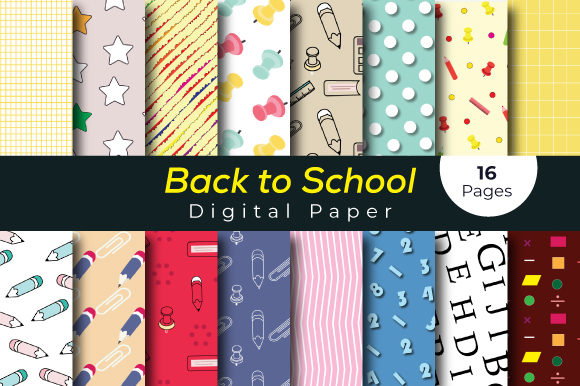
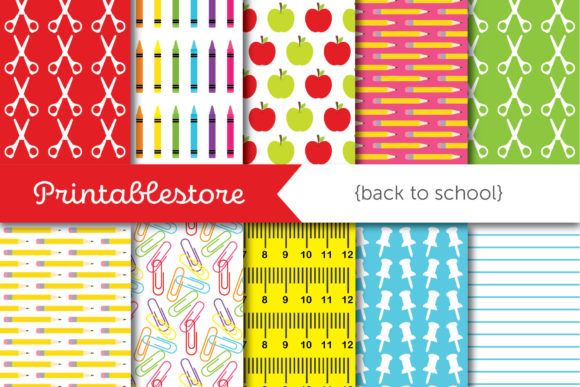
When you need to create something that captures the energy of a new school year, the design materials you select can shape the entire project. A Digital Paper Back to School Pattern offers a ready-made aesthetic built around themes of learning, pencils, apples, chalkboards, and classroom nostalgia. But before you commit to any specific set, it helps to understand exactly what you are getting, how these patterned papers compare with other creative resources, and whether they suit your particular project.
What This Pattern Set Actually Includes
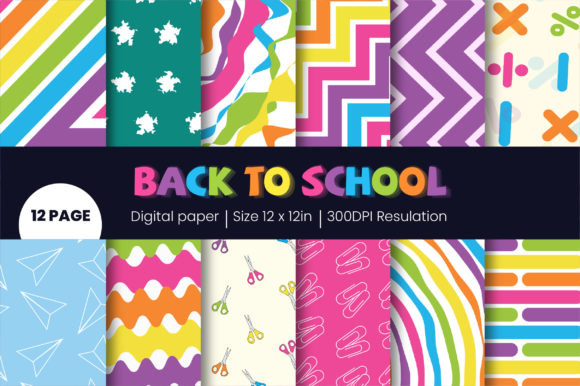
A typical Digital Paper Back to School Pattern collection, such as the one described in the product overview, comes as a pack of twelve digital papers. Each sheet measures 12 by 12 inches, which is a standard scrapbooking size, and they are delivered in JPG format at 300 DPI resolution. All twelve files are compressed into a single zip archive for convenient download and storage.
The key distinction here is the combination of resolution and size. At 300 DPI, these papers are suitable for both digital use and professional-quality printing. Whether you are creating invitations for a teacher appreciation event or designing a classroom bulletin board, the resolution ensures that edges remain crisp and colours stay consistent. The 12x12 inch format also gives you flexibility to scale down to smaller dimensions without losing detail, which is not always the case with lower-resolution alternatives.
The unique design element means that each paper in the set carries its own pattern, but all twelve share a cohesive back-to-school theme. This coherence can save you time because you do not have to mix and match from different sources and worry about clashing styles. Instead, you can pull any paper from the set and trust that it will visually align with the others.
How Digital Pattern Papers Compare with Other Creative Resources
If you have ever built a project from scratch, you know there are multiple routes to the same destination. A Digital Paper Back to School Pattern occupies a middle ground that balances convenience with customisation.
Vs. Creating Your Own Designs from Scratch
Starting from zero in a program like Adobe Illustrator, Procreate, or Canva gives you total control. You can hand-draw every pencil, write every phrase in your own font, and choose every colour. The tradeoff is time. Designing a coordinated set of twelve distinct back-to-school patterns from scratch can take hours or even days, especially if you want them to look polished and print-ready.
A Digital Paper Back to School Pattern removes that initial design phase. You receive twelve finished sheets that you can drop directly into your project. The tradeoff is that you are working within someone else's creative decisions. If the patterns lean heavily toward pastel colours but your school uses a bold red-and-blue palette, you may need to supplement with additional elements.
Vs. Single-Use Clip Art or Icons
Individual clip art images and icons are great for adding specific details, such as a single apple or a stack of books. However, using them as background textures often creates a sparse or repetitive look unless you invest time arranging and tiling them. Digital papers, on the other hand, are designed to function as backgrounds. The pattern repeats seamlessly across the 12x12 inch surface, which means you can use them as full-page backgrounds without awkward gaps or obvious repeats.
That said, if your project requires a lot of isolated, moveable elements, such as individual school bus icons that you want to place one by one, clip art might serve you better. The Digital Paper Back to School Pattern is optimised for surface coverage, not for cutting out individual motifs.
Vs. Generic Pattern Packs (Non-Themed)
Generic pattern packs offer chevron, polka dots, stripes, and geometric shapes in various colours. They are versatile and can be used for almost any occasion. However, they lack the thematic cues that tell the viewer "this is for back to school." A Digital Paper Back to School Pattern includes motifs like chalkboard textures, alphabet blocks, school buses, and rulers. These visual cues instantly communicate the occasion, which can be especially valuable for invitations, classroom newsletters, or thank-you cards for teachers.
The limitation is that strong thematic designs can feel out of place outside their intended season. You would not typically use a paper covered in ABC blocks for a financial report or a holiday card. So if you need multipurpose papers that work year-round, generic patterns offer more longevity.
Strengths of This Type of Pattern Set
- Cohesive theming. All twelve papers work together, reducing the guesswork when you need a layered or multi-paper project.
- Print-ready resolution. At 300 DPI, you can print at full size without worrying about pixelation, which matters for physical scrapbooks, classroom decor, and mailed invitations.
- Standard format. JPG files are universally supported. You can open them in any image editor, word processor, or publishing software without needing specialised plugins.
- Time efficiency. You bypass the design and illustration phase entirely, moving straight to layout and assembly.
- Consistent quality across the set. Because the papers come from one source, you will not see sudden shifts in colour temperature or line weight between sheets.
Tradeoffs and Limitations to Weigh
No single resource solves every creative problem. A Digital Paper Back to School Pattern has boundaries that are worth understanding before you purchase.
- Fixed theme range. The set is designed specifically for back-to-school contexts. If your project straddles multiple themes, such as combining back-to-school with autumn harvest or sports, you may need to layer these papers with other elements or choose a different resource altogether.
- Limited customisation. Because the patterns are flat images, you cannot easily change individual colours or remove specific elements. You can adjust hue and saturation in editing software, but you cannot separate a pencil from the background without cloning or masking work.
- Duplication risk. Since these papers are sold as a standard set, other buyers may be using the exact same designs. For one-of-a-kind gifts or exclusive branding, you might prefer to create custom patterns or commission original artwork.
- File size considerations. Twelve 12x12 inch JPG files at 300 DPI can total a significant amount of data. While the zip compression helps, you should confirm that your device and software can handle large image files, especially if you plan to use multiple papers in a single document.
When This Pattern Set Is a Strong Choice
A Digital Paper Back to School Pattern works best when your project is time-sensitive or when you want a professional, unified look without designing from scratch. Here are a few scenarios where it fits naturally:
- Teacher or classroom gifts. Personalised mugs, binders, or thank-you cards that incorporate school-themed backgrounds feel thoughtful without requiring hours of illustration work.
- Back-to-school party invitations. Whether you are hosting a meet-the-teacher gathering or a first-day-of-school breakfast, themed papers immediately set the tone.
- Scrapbooking school milestones. First day photos, report cards, and art projects pair well with coordinating backgrounds that echo the school theme.
- Classroom decor and signage. Banners, name tags, and bulletin board borders can be printed directly from the digital papers, saving you a trip to the craft store.
- Digital invitations or social media graphics. The JPG format allows easy uploading to Canva, PicMonkey, or directly to social platforms for event announcements.
When You Might Want a Different Approach
There are also situations where a Digital Paper Back to School Pattern may not be the most practical solution. Consider other options if:
- You need full editable control. If your project requires specific fonts, colour adjustments, or removal of certain elements, a vector-based file or a layered PSD gives you more freedom.
- You are designing for a wide audience. For a school-wide newsletter or a district event, patterns that are too playful may not appeal to all age groups. A more neutral, professional template might serve you better.
- You want a one-of-a-kind look. If uniqueness is a priority, such as for a custom brand or a limited-edition product, mass-market digital papers will appear elsewhere. Commissioning original designs or creating your own ensures exclusivity.
- Your project is purely digital with strict file size limits. Some email platforms and online submission systems restrict attachment sizes. Twelve high-resolution images may exceed those limits, requiring you to downscale the papers, which reduces their quality advantage.
Practical Tips for Evaluating a Digital Paper Set
When you compare different Digital Paper Back to School Pattern options, look beyond the sample images. Check the licence terms if the set is sold via a marketplace. Some licences restrict commercial use or limit the number of projects you can produce. Also examine the colour palette carefully. Screenshots on a website may look different from how the papers appear when printed on your own printer or viewed on your specific monitor. If possible, download a preview sheet or test a single paper before committing to the full set.
Pay attention to the pattern repeat. A well-designed digital paper repeats seamlessly, meaning the left edge matches the right edge and the top matches the bottom. If the repeat is obvious or misaligned, it will distract from your project rather than enhance it. The 12x12 inch size gives you a generous canvas, but if you plan to use the paper for a larger surface like a poster, you may need multiple tiles, and a seamless repeat becomes essential.
Making Your Decision
A Digital Paper Back to School Pattern set offers a practical shortcut when you need themed backgrounds quickly and reliably. The twelve papers in this specific collection provide variety within a cohesive style, and the high resolution supports both print and digital use. However, the fixed theme and limited customisation mean that it works best in projects where the school motif is central and where you value efficiency over total creative control.
If your project aligns with those conditions, this type of pattern set can save you significant time while delivering a polished result. If you need something more flexible, exclusive, or deeply customised, you may want to explore layered design files, vector patterns, or creating your own illustrations. Understanding both the strengths and the boundaries of Digital Paper Back to School Pattern resources helps you choose the option that genuinely fits your workflow and your creative goals.